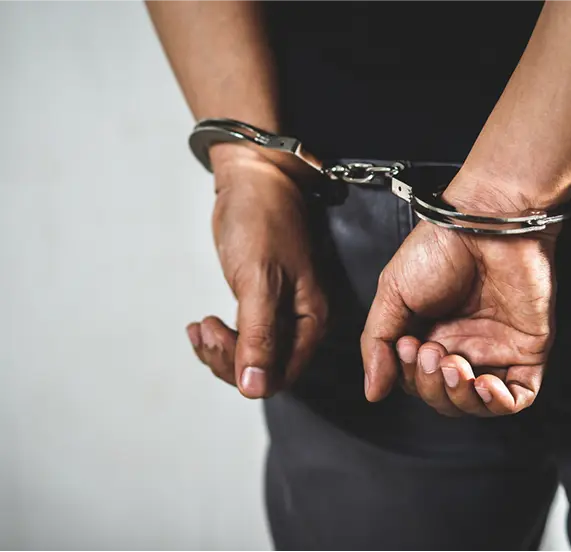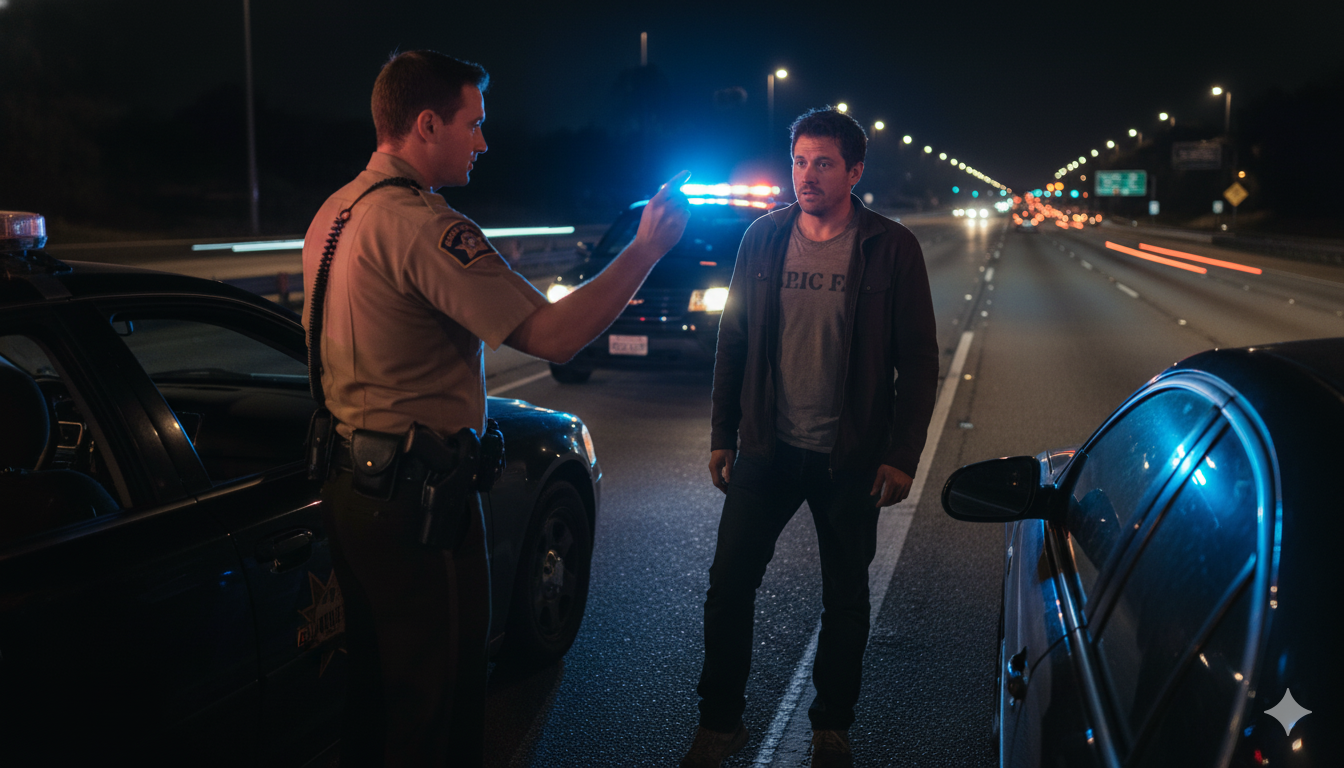





Being charged with probation & parole violations can feel overwhelming—but you’re not alone, and you have options. Whether you’re dealing with allegations of failing a drug test while on probation, missing meetings with your probation or parole officer, or accusations of committing new offenses while under supervision, understanding your charges is the first step toward protecting your future.
At Central Coast Criminal Defense, we’ve helped Arroyo Grande residents defend against probation & parole violations charges since 2010. We know the courts, the prosecutors, and—most importantly—we know how to fight for results that protect what matters most to you.
What Counts as a Probation & Parole Violation in California?
Probation and parole violations in California occur when someone who has been granted supervised release after criminal conviction fails to comply with the terms and conditions of their supervision. Probation is granted instead of jail or prison and allows you to remain free under court supervision with specific requirements, while parole is supervised release after serving time in state prison. What makes probation and parole violations particularly serious is that they don’t require proof beyond a reasonable doubt like criminal trials—violations are proved by mere “preponderance of the evidence,” meaning judges can revoke your probation or parole and send you to custody based on allegations that wouldn’t be sufficient for criminal convictions.
In Arroyo Grande and throughout San Luis Obispo County, probation and parole violations commonly arise from positive drug or alcohol tests detected during required testing, missed appointments with probation or parole officers, failure to complete court-ordered programs like anger management or drug treatment, new criminal arrests (even if charges are later dismissed), failure to pay fines, fees, or restitution as ordered, unauthorized travel outside San Luis Obispo County, and failure to maintain employment or residence as required. The San Luis Obispo County Probation Department and California Department of Corrections and Rehabilitation (parole) enforce these conditions strictly, and even minor technical violations can result in revocation proceedings that send you to jail or prison for the maximum original sentence.
What many people don’t understand is that probation and parole revocation proceedings are not like criminal trials—you don’t have the same constitutional protections, prosecutors don’t need to prove violations beyond a reasonable doubt, and judges have enormous discretion to revoke your probation or parole based on hearsay evidence and probation officer reports. At violation hearings in San Luis Obispo County Superior Court, probation officers testify about alleged violations, judges consider police reports and drug test results without the evidence rules that apply in criminal trials, and you can be found in violation even when the underlying conduct wouldn’t support criminal charges. Without aggressive representation at these hearings to challenge evidence, cross-examine witnesses, present mitigating circumstances, and argue for reinstatement rather than revocation, you risk losing your freedom based on technical violations or false allegations.
- Legal Definition: Probation and parole violations occur when supervised individuals fail to comply with court-ordered or parole conditions, prosecuted through violation hearings rather than criminal trials under Penal Code sections 1203-1203.4 (probation) and 3000-3003 (parole).
- Why It’s Prosecuted: California aggressively prosecutes probation and parole violations to ensure compliance with supervision conditions, protect public safety by monitoring convicted offenders, hold offenders accountable for failing to meet court-ordered obligations, and deter future criminal conduct through strict supervision.
- Common Triggers: Positive drug or alcohol tests during random testing by probation or parole, missed appointments with supervising officers, failure to complete court-ordered counseling or treatment programs, new criminal arrests or charges, failure to pay court-ordered fines or restitution, and unauthorized changes in residence or employment.
Important: Even if you believe the charges are unfair or based on a misunderstanding, how you respond in the first 48-72 hours can dramatically impact your case outcome. Call +1 (805) 621-7181 now for guidance.
Probation & Parole Violations We Defend in Arroyo Grande
We defend clients against all probation & parole violations-related charges in San Luis Obispo County, Santa Barbara County, and surrounding areas. Here are the most common offenses we handle:
Common Probation Violations
- Failure to Report to Probation Officer
Missing scheduled appointments or check-ins with San Luis Obispo County Probation Department | Consequence: Probation revocation, jail time up to maximum sentence - Positive Drug or Alcohol Test
Testing positive for prohibited substances during random or scheduled drug/alcohol testing | Consequence: Probation revocation, mandatory treatment, custody time - Failure to Complete Court-Ordered Programs
Not completing anger management, drug treatment, DUI programs, or other required counseling | Consequence: Extension of probation, custody time, or revocation
Serious Probation Violations
- Committing New Criminal Offense
Being arrested or charged with new crimes while on probation | Consequence: Probation revocation, maximum jail/prison sentence on original case plus new charges - Absconding from Supervision
Leaving San Luis Obispo County without permission or failing to maintain contact with probation | Consequence: Bench warrant, arrest, immediate custody, probation revocation - Possession of Weapons or Controlled Substances
Possessing firearms, illegal drugs, or other prohibited items while on probation | Consequence: New criminal charges plus probation revocation
Parole Violations
- Failure to Report to Parole Agent – Missing required meetings with California parole officers
- Violating Parole Search Conditions – Refusing parole searches or possessing contraband discovered in searches
- Leaving Approved Residence Area – Traveling outside approved counties or changing residence without permission
Additional Technical Violations
- Failure to Pay Fines, Fees, or Restitution – Not making required payments on court-ordered financial obligations
- Failure to Maintain Employment – Losing job or not seeking employment as required by probation/parole terms
- Unauthorized Contact with Victims or Co-Defendants – Violating no-contact orders or associating with prohibited persons
- Failure to Submit to Drug Testing – Refusing or failing to appear for scheduled drug/alcohol testing
- Violating Curfew Requirements – Not complying with court-ordered curfews or house arrest conditions
- Failure to Register as Required – Not registering as sex offender, arson offender, or other required registration
- GPS Monitor Violations – Tampering with, removing, or allowing GPS ankle monitors to lose power
- Violating Protective Orders – Contacting protected persons in violation of restraining orders
- Positive Test for Alcohol (DUI Probation) – Consuming alcohol in violation of DUI probation zero-tolerance conditions
- Failure to Attend Court-Ordered Meetings – Missing AA/NA meetings, victim impact panels, or other required attendances
- Failure to Provide Proof of Completion – Not submitting certificates showing completion of required programs
- Change of Residence Without Notice – Moving to new address without notifying probation/parole officer
Don’t see your violation listed? This list covers the most common probation & parole violations, but we defend against all types of supervision violations. Violation allegations can be confusing—if you’re unsure what you’re facing, call +1 (805) 621-7181 and we’ll explain your violations in plain English.
What’s at Stake: Consequences of Probation & Parole Violations
A probation & parole violations finding doesn’t just affect you today—it can impact your life for years. Here’s what you could be facing:
Immediate Penalties
- Immediate arrest on bench warrant and custody without bail during violation proceedings
- Revocation of probation or parole resulting in maximum original sentence imposed
- County jail sentences up to 1 year for misdemeanor probation violations
- State prison sentences up to the original maximum term for felony probation violations
Long-Term Consequences
- Loss of credits and early release opportunities that would have applied with successful completion
- Extended supervision periods with stricter conditions after reinstatement
- Additional charges and convictions if violations involved new criminal conduct
- Ineligibility for future probation or alternative sentencing on future cases
- Criminal record affecting employment, housing, loans, professional licenses, and immigration status
⚠️ Time is critical. The earlier we start building your defense, the more options we have to protect your future. Request your free consultation now.
Why Hiring an Attorney for Probation & Parole Violations Is Essential
Lower Burden of Proof Means You Can Lose Your Freedom on Weak Evidence
Unlike criminal trials where prosecutors must prove guilt beyond a reasonable doubt, probation and parole violation hearings require only a “preponderance of the evidence”—meaning more likely than not, or just 51% certainty. This dramatically lower standard means judges can revoke your probation or parole and send you to custody based on hearsay testimony from probation officers, police reports without live witnesses, positive drug tests that may be inaccurate, and allegations that would never support criminal convictions. Without an attorney who aggressively challenges the evidence, demands live testimony and cross-examination, presents alternative explanations for alleged violations, and argues that evidence doesn’t meet even the lower burden of proof, you’ll likely lose your freedom based on unreliable or insufficient evidence.
Judges Have Discretion to Reinstate Rather Than Revoke
Even when violations are proven, San Luis Obispo County judges have discretion to reinstate probation with modified conditions rather than revoking and sending you to custody. We’ve successfully convinced judges to reinstate probation hundreds of times by presenting mitigating circumstances that explain violations, demonstrating that clients have made substantial progress despite technical violations, showing that violations were minor or unintentional rather than willful defiance, proposing stricter conditions that address concerns without requiring custody, and presenting treatment or counseling solutions that make revocation unnecessary. Without effective advocacy at violation hearings, judges default to revocation—but with proper representation, reinstatement is often achievable even after serious violations.
Technical Violations Can Often Be Excused or Explained
Many probation and parole violations are technical violations—minor failures to comply with conditions that don’t involve new crimes or threats to public safety. We’ve successfully defended countless Arroyo Grande clients by showing that missed appointments were due to work conflicts, transportation issues, or medical emergencies, positive drug tests resulted from prescribed medications or environmental exposure, program non-completion was due to waitlists or financial hardship rather than refusal, payment failures resulted from unemployment or financial hardship beyond the client’s control, and residence changes were necessary for employment or family reasons. Probation and parole officers often recommend revocation for these technical violations, but judges will excuse violations or modify conditions when presented with reasonable explanations and evidence of good faith efforts to comply.
Local Experience Makes the Difference
Probation and parole violation proceedings in San Luis Obispo County Superior Court require understanding which judges are open to reinstatement versus those who typically revoke, how San Luis Obispo County Probation Department evaluates violations and makes recommendations, and what arguments resonate with local judges when requesting reinstatement. We know the probation officers in San Luis Obispo County, have successfully negotiated countless violation hearings, and understand that most Arroyo Grande residents facing violations are people struggling with addiction, mental health issues, or poverty—not criminals who deserve to lose their freedom over technical violations.
How Central Coast Criminal Defense Fights Probation & Parole Violations
Since 2010, we’ve defended Arroyo Grande residents against probation & parole violations with a proven, client-first approach:
- Immediate Case Assessment
We immediately review probation/parole terms, violation reports, and evidence to identify technical violations that can be excused or explained, insufficient evidence that doesn’t meet even the lower burden of proof, mitigating circumstances that justify reinstatement, and procedural violations in how violations were alleged or processed. - Aggressive Defense Strategy
We challenge probation departments and prosecutors by demanding live testimony and cross-examination rather than accepting hearsay reports, presenting evidence contradicting alleged violations, demonstrating that violations were unintentional or beyond client’s control, showing substantial compliance despite technical violations, and proposing alternative sanctions and modified conditions that address concerns without revocation. - Evidence Investigation
We gather medical records explaining positive drug tests or missed appointments, employment records showing work conflicts with probation requirements, financial records demonstrating inability to pay rather than refusal, witness testimony supporting our client’s explanations, and documentation of program completion efforts or waitlist delays. - Skilled Negotiation
We work with San Luis Obispo County probation officers and prosecutors to negotiate stipulated reinstatements with modified conditions, secure recommendations for treatment rather than custody, resolve violations informally without formal hearings, and obtain agreements for extensions of probation rather than revocation. - Trial-Ready Advocacy
When probation departments seek revocation, we vigorously contest violations at hearings in San Luis Obispo County Superior Court, cross-examining probation officers and witnesses, presenting mitigating evidence and testimony, arguing that violations don’t warrant revocation, and requesting reinstatement with modified conditions that protect public safety while preserving client’s freedom. - Personal Attention
We understand that probation and parole violations often result from addiction, mental health struggles, poverty, or circumstances beyond our clients’ control—we provide compassionate guidance while fighting aggressively for reinstatement, modified conditions, and second chances that allow clients to successfully complete supervision.
Our probation and parole violation defense practice is built on successfully defending Arroyo Grande residents facing revocation proceedings. We’ve secured reinstatements by presenting mitigating circumstances and demonstrating good faith compliance efforts, negotiated stipulated reinstatements with modified conditions avoiding custody time, obtained treatment alternatives to custody for substance abuse violations, and convinced judges to excuse technical violations that didn’t threaten public safety. We understand that many of our clients facing violation proceedings are people struggling with addiction, poverty, or life circumstances that made compliance difficult—not willful violators who deserve maximum punishment.
When probation & parole violations threaten your freedom, reputation, and future, you need more than just legal representation—you need an advocate who knows Arroyo Grande courts inside and out. That’s exactly what you get with Central Coast Criminal Defense.
Get Your Free Case Review Today
Don’t wait to protect your rights. The sooner we start, the stronger your defense will be.
Available 24/7 for urgent matters. All consultations are confidential.